
Burst Pipe Repair in Swindon
A burst or split water pipe can release a lot of water in a very short time, soaking floors, ceilings and belongings. Our burst pipe repair service helps homes and businesses in Swindon get the water under control, find the damaged section of pipework and repair it so the supply can be safely restored.
Request Plumbing Assistance
Tell us what is happening and where, and we will get back to you about the next step.
Burst pipes are one of the most common causes of serious water damage in homes. Knowing what usually causes them, what to do first and how a repair is carried out can help you limit the damage.

Signs a Pipe Has Burst
Some bursts are obvious: water spraying from a pipe, a sudden gush under a sink or water pouring through a ceiling. Others are harder to spot, especially when the damaged pipe is hidden inside a wall, under a floor or in a loft.
Signs that may indicate a burst or split pipe include a sudden drop in water pressure, the sound of running water when no taps are on, damp patches that spread quickly, bulging or stained ceilings, and water appearing in an unexpected place. One sign on its own does not prove a pipe has burst, but several together are worth acting on quickly.
What Causes Water Pipes to Burst?
Frozen Pipes
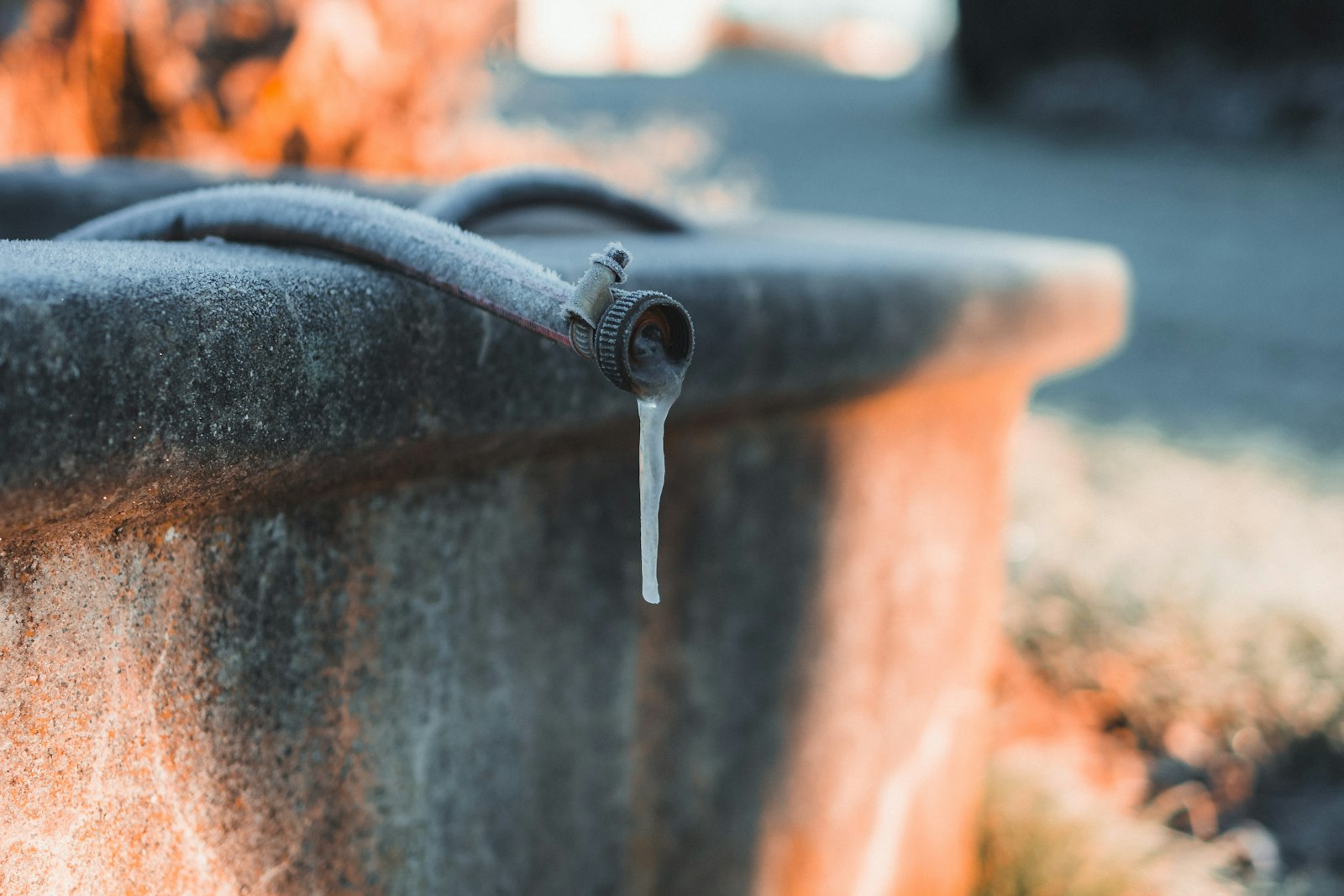
Water expands as it freezes. In cold weather, pipes in lofts, garages, outbuildings and on outside walls are more exposed to freezing, and the pressure can split the pipe. The leak often appears when the ice thaws.
Damage and Wear
Pipes can be damaged by nails or screws during DIY work, by corrosion in older metal pipework, or by joints and fittings that have worked loose over time. Pipes that are not properly supported can also be strained by movement.
Pressure Problems
High water pressure or sudden changes in pressure can put extra strain on weak points in a plumbing system. This does not always cause a burst on its own, but it can make an existing weakness fail sooner. Understanding what causes water pipes to burst in UK homes can help you spot weak points before they fail.

What to Do First When a Pipe Bursts
The first step is to stop the water. If you can reach your stopcock safely and know how it works, turning it off should stop the flow from the mains. WaterSafe’s guidance on what to do if a water pipe bursts also covers turning off the heating and draining the system once the water is off.
Keep well away from any sockets, switches, light fittings or appliances that water has reached, and do not touch electrical equipment that may be wet. Move belongings out of the way if it is safe to do so, and photograph the damage for your insurer.
Do not try to clamp, tape or cut a pressurised pipe yourself. A makeshift repair can fail without warning and cause more damage than the original burst. Our step-by-step guide on what to do if a water pipe bursts covers these first actions in more detail.
How Burst Pipe Repairs Are Carried Out
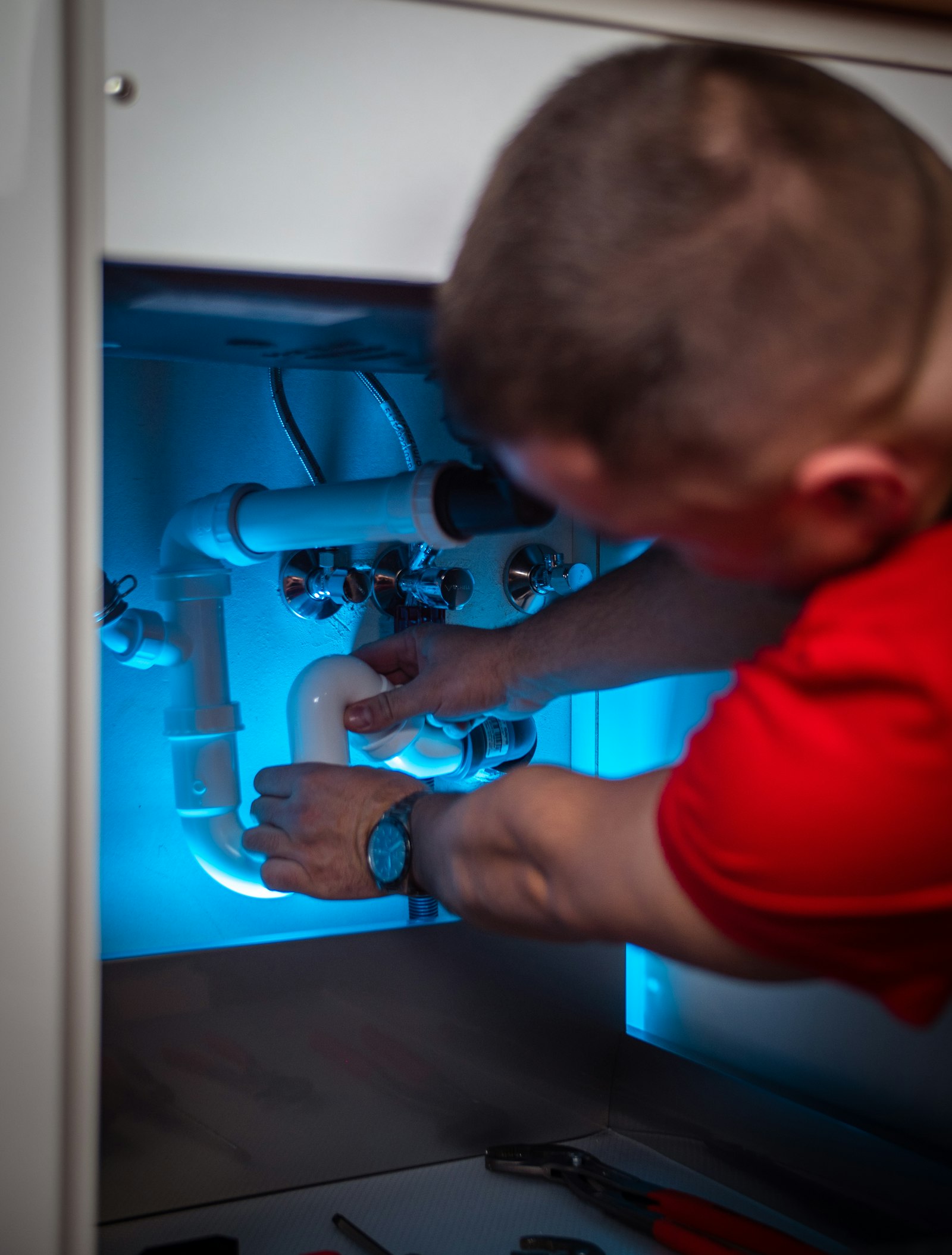
Once the water is off, a plumber will usually find the damaged section, check the pipework on either side for further damage and decide on the right repair. Exposed pipes under sinks, in cupboards or in lofts are usually quicker to reach than concealed pipework behind tiles, inside walls or under floors.
A short split may be repaired by cutting out the damaged section and joining in a new length of pipe with suitable fittings. Where a pipe is badly corroded or has burst in more than one place, replacing a longer run of pipework may be the better option. If the damage is in a hard-to-reach place, a temporary repair may be made first to restore the supply, with a permanent repair planned afterwards.
After the repair, the pipework is checked for leaks once the water is turned back on. If the burst was caused by freezing, it is worth asking about insulating exposed pipes so it is less likely to happen again.
Burst pipe repair is one of the local plumbing services we provide across the Swindon area. Our guide on whether a burst pipe can be repaired or must be replaced explains how that decision is usually made.
What Affects the Cost of Burst Pipe Repair?
The cost of a burst pipe repair depends on where the pipe is, how badly it is damaged and how much pipework needs replacing. Access is often the biggest factor: a split pipe in an open loft is a very different job from one buried in a tiled bathroom wall. The pipe material, the fittings needed and whether a temporary repair is needed first also make a difference.
Repairs to water damage, such as replacing ceilings, flooring or plasterwork, are separate from the plumbing repair itself.
Featured Questions
Burst Pipe Repair FAQs
Common questions about burst and split water pipes.
What causes a water pipe to burst?
Common causes include freezing, corrosion, physical damage from nails or screws, loose or failed joints and strain from water pressure. A plumber can look at the damaged pipe to see which is most likely.
Can a burst pipe be repaired, or does it need replacing?
Many burst pipes can be repaired by replacing just the damaged section. If the pipework is badly corroded or damaged in several places, replacing a longer run may be recommended.
How can I tell if a hidden pipe has burst?
Look for a sudden drop in water pressure, the sound of running water when nothing is on, or damp patches that appear and spread quickly. These signs need checking, as they can have other causes too.
Will turning off the stopcock stop a burst pipe?
Turning off the internal stopcock should stop water from the mains, but water stored in tanks or the heating system may still drain out for a while.
How can I stop pipes freezing in winter?
Insulating pipes in lofts, garages and other unheated spaces helps, along with keeping the property heated during cold spells and fixing dripping taps.
Does a burst pipe repair include fixing water damage?
Usually not. The plumbing repair stops the leak and restores the supply. Repairs to ceilings, walls and flooring are normally carried out separately, often through your insurer.
Get Help With a Burst Pipe
If a pipe has burst at your home or business in Swindon, call us on 01793 569521 and tell us where the water is coming from and whether you have turned off the supply. You can also send us a message through our contact page.
Emergency Plumber Swindon helps homes and businesses in Swindon with burst pipes, leaks and urgent plumbing repairs. Call 01793 569521 to talk through your plumbing problem.
Company
Office Hour
- Monday – Sunday - (09.00 – 21.00)
Head Office
- Cheney Manor Industrial Estate, SN2 2PJ, BSS
- info@emergencyplumberswindon.co.uk
- 01793 569521