
Radiator Installation and Replacement in Swindon
A radiator that is too small, badly placed or worn out can leave a room cold even when the heating is on. Our radiator installation and replacement service helps homes and landlords in Swindon fit new radiators and replace old ones on wet central heating systems, so each room gets the heat it needs.
Request Plumbing Assistance
Tell us what is happening and where, and we will get back to you about the next step.
Getting the right radiator in the right place, connected properly to the existing pipework, makes the biggest difference to comfort and running.
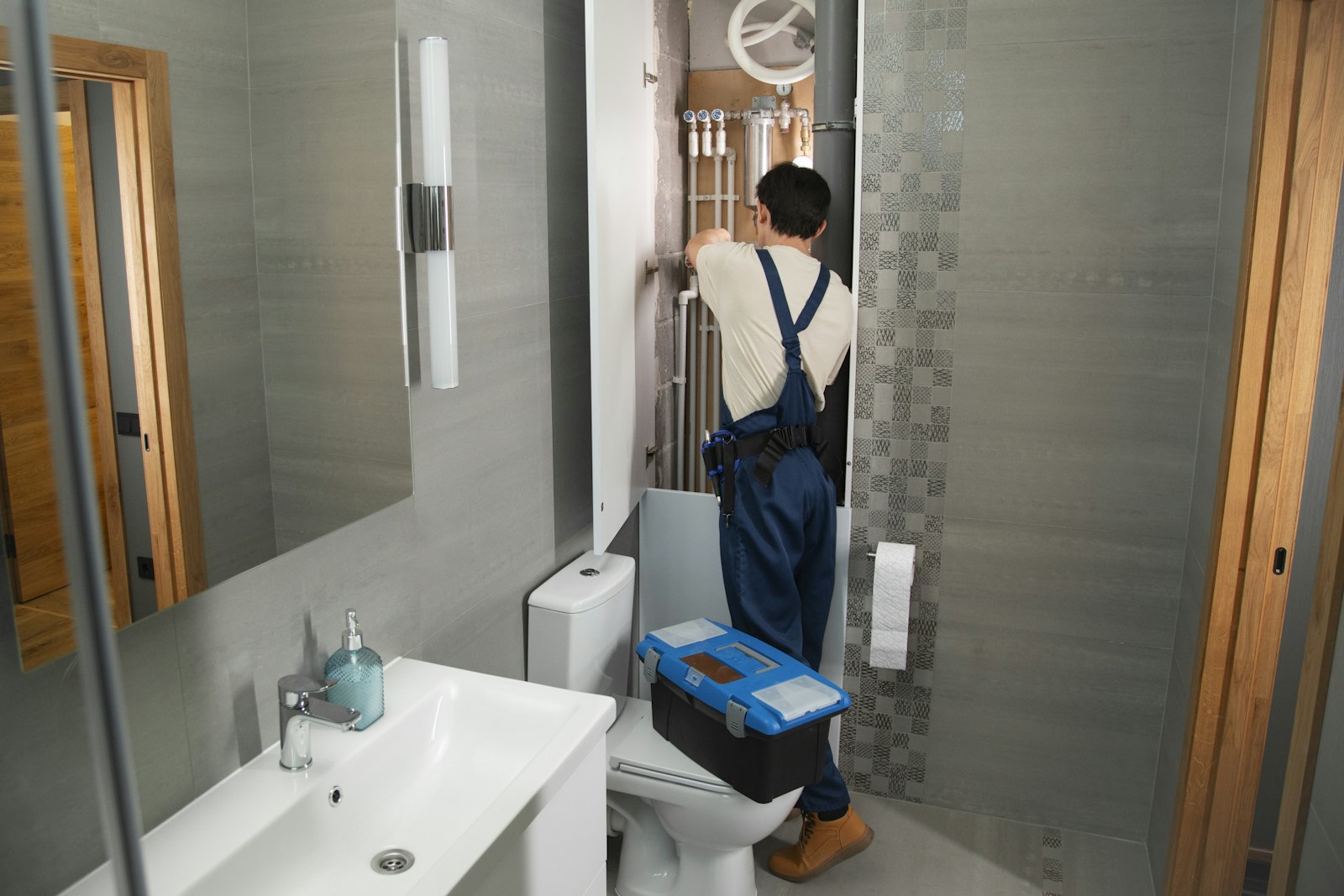
When a New Radiator Makes Sense
Old radiators are often replaced because they have rusted, developed pinhole leaks or stopped heating evenly. A radiator that stays cold at the bottom even after it has been bled may have a build-up of sludge inside.
Others want a radiator that suits the room better. You may want more heat in a cold room, a slimmer design for a narrow space, a vertical radiator where wall space is limited, or a heated towel rail in a bathroom. Radiators are also often replaced during a redecoration or when a room is being changed.
If a radiator only leaks at a valve or joint, a repair may be enough. Replacement is worth considering if the radiator itself is corroded, does not give enough heat for the room or keeps causing problems. Our leak repair work covers faulty valves and joints, while this service focuses on fitting the radiator itself. Our guide on knowing when an old radiator needs replacing explains why cold patches are not always a sign of a worn-out radiator.
Choosing the Right Size and Type
Heat Output
Radiators are rated by heat output, usually in watts or BTUs. The right output depends on the size of the room, its windows, how well it is insulated and whether it has outside walls. A larger output does not always mean a larger radiator, as double-panel and convector radiators give more heat for the same size.
Pipe Centres and Connections
If you want to reuse the existing pipework, the new radiator needs to match the old pipe positions, or the pipework must be adjusted. Some radiators are designed to match common older sizes, which can make a like-for-like swap simpler.
Radiator Position
Radiators are often placed under windows to counter cold air, but they can work well on other walls. Furniture, curtains and radiator covers in front of a radiator can reduce how well it heats the room.

Radiator Valves and Controls
A new radiator is a good time to look at its valves. Most radiators have a thermostatic radiator valve on one side and a lockshield valve on the other. The Energy Saving Trust explains that thermostatic radiator valves sense the room temperature and adjust the flow of hot water, which helps control the heat in each room.
Old valves can be stiff, leak or fail to fit new radiators, so they are often replaced at the same time. Once the radiator is fitted, the lockshield valve may need adjusting so the system is balanced and every radiator heats properly.
What Radiator Replacement Involves
Replacing a radiator usually starts with isolating it or draining down part of the system, then removing the old radiator and its brackets. The new brackets are fixed securely to the wall, the radiator is hung and connected, and any pipework changes are made.
The system is then refilled, the radiator is bled and the connections are checked for leaks. On a sealed system, the pressure may need checking once it has been refilled. Work on the boiler itself is not part of radiator fitting and, if needed, should be carried out by a Gas Safe registered engineer.
Fitting a radiator in a new position, such as in an extension or a converted loft, may need new pipework run from the existing heating circuit. Radiator fitting is one of the plumbing and heating services in Swindon we offer for homes and rental properties. If old heating pipework near the radiator is damaged, our pipe repair and replacement page explains the options. Our article on replacing a radiator without moving the pipes explains how pipe centres and valve tails help.
What Affects Radiator Installation Costs?
The cost depends on the size and type of radiator, whether the existing pipework can be reused, and whether new valves are needed. Swapping a radiator like for like is usually quicker than moving it to a new wall or running new pipework under floors. The type of wall, the number of radiators being changed and how much of the system needs draining also affect the work. Our guide on what affects the cost of replacing a radiator covers these points in more detail.
Featured Questions
Radiator Installation FAQs
Common questions about fitting and replacing radiators.
When should an old radiator be replaced?
Consider replacing it if it is rusting, leaking from its body, heating unevenly or not warming the room well enough.
Can a new radiator use existing pipework?
Often, if the pipe positions match the new radiator. Otherwise, the pipework may need adjusting.
What affects radiator replacement costs?
The radiator size and type, new valves, pipework changes, wall type and the number of radiators being fitted.
Do radiator valves need replacing?
Not always, but old valves are often replaced if they are stiff, leaking or do not fit the new radiator.
Can a radiator be moved to a different wall?
Usually, yes. New pipework will need to be run to the new position, which may involve lifting floorboards.
What size radiator do I need?
It depends on the room size, windows, insulation and outside walls. A heat output calculation helps choose the right size.
Arrange a Radiator Installation
If you would like a new radiator fitted or an old one replaced at a property in Swindon, call us on 01793 569521 or send us a message through our contact page. Let us know which rooms you are thinking about and send photos of the current radiators if you can.

Emergency Plumber Swindon helps homes and businesses in Swindon with burst pipes, leaks and urgent plumbing repairs. Call 01793 569521 to talk through your plumbing problem.
Company
Office Hour
- Monday – Sunday - (09.00 – 21.00)
Head Office
- Cheney Manor Industrial Estate, SN2 2PJ, BSS
- info@emergencyplumberswindon.co.uk
- 01793 569521