
Stopcock Repair and Replacement in Swindon
Your stopcock is the main valve that turns off the water supply to your home. When it leaks, seizes or will not close fully, you may not be able to stop the water quickly if a pipe bursts or a fitting fails. Our stopcock repair and replacement service helps homes and landlords in Swindon deal with faulty internal stopcocks so the water can be shut off when it matters.
Request Plumbing Assistance
Tell us what is happening and where, and we will get back to you about the next step.
Checking your stopcock before an emergency is one of the simplest ways to protect your home.
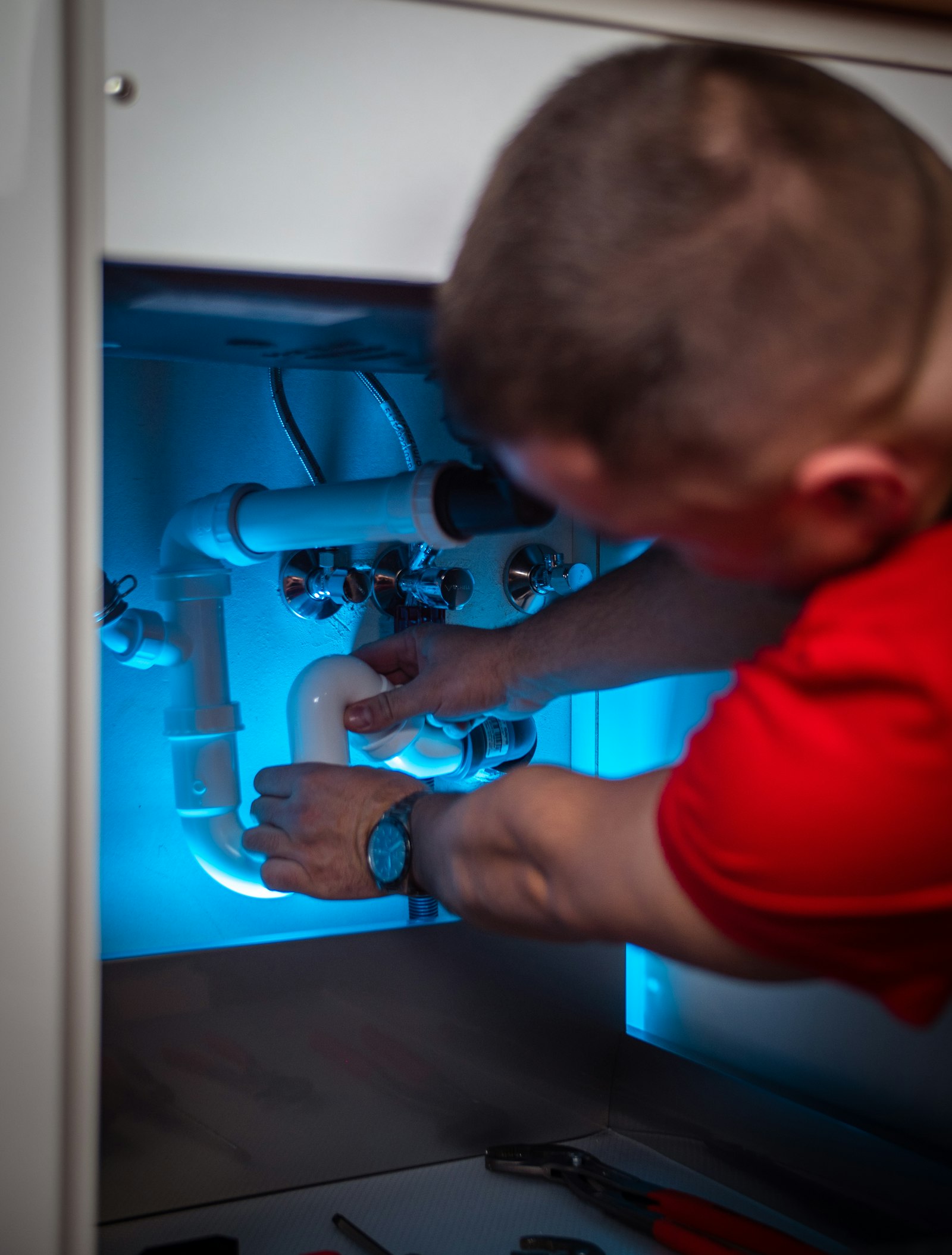
What Your Internal Stopcock Does
The internal stopcock, also called a stop tap or stop valve, controls the mains water supply where it enters your home. It is often found under the kitchen sink, but it can also be in a downstairs cloakroom, a utility room, a cupboard under the stairs, a garage or under floorboards near the front door.
Closing it isolates the cold mains supply and anything fed from it. A working stopcock lets you turn off the water during a leak, and lets a plumber carry out repairs without water flowing through the pipework.
Internal Stopcock or Outside Stop Valve?
Most properties also have an outside stop valve, usually under a small cover in the path or pavement near the boundary. This valve usually belongs to the water company. Thames Water advises that you should always have a working inside stop valve and should not rely on the outside valve to turn off the water in your home.
We work on internal stopcocks inside the property. Faults with an outside stop valve owned by the water company should be reported to the water supplier. Our guide on who is responsible for repairing a stopcock explains how ownership is usually split.
Signs Your Stopcock Has a Problem
A Leaking Stopcock
Water dripping from the spindle, the body of the valve or its pipe connections often points to a worn gland packing, a failed washer or a loose compression fitting.
A Seized Stopcock That Will Not Turn
Stopcocks that are rarely used can stiffen with limescale and corrosion. Forcing a seized handle with tools can snap the spindle or damage the pipe, so it is better to have it assessed.
Water Still Flowing When Closed
If taps keep running after the stopcock has been turned off, the internal washer or valve seat may be worn. A stopcock that does not fully isolate the supply cannot be relied on in an emergency. Our guide on why a stopcock leaks and what to do explains the safe first steps.

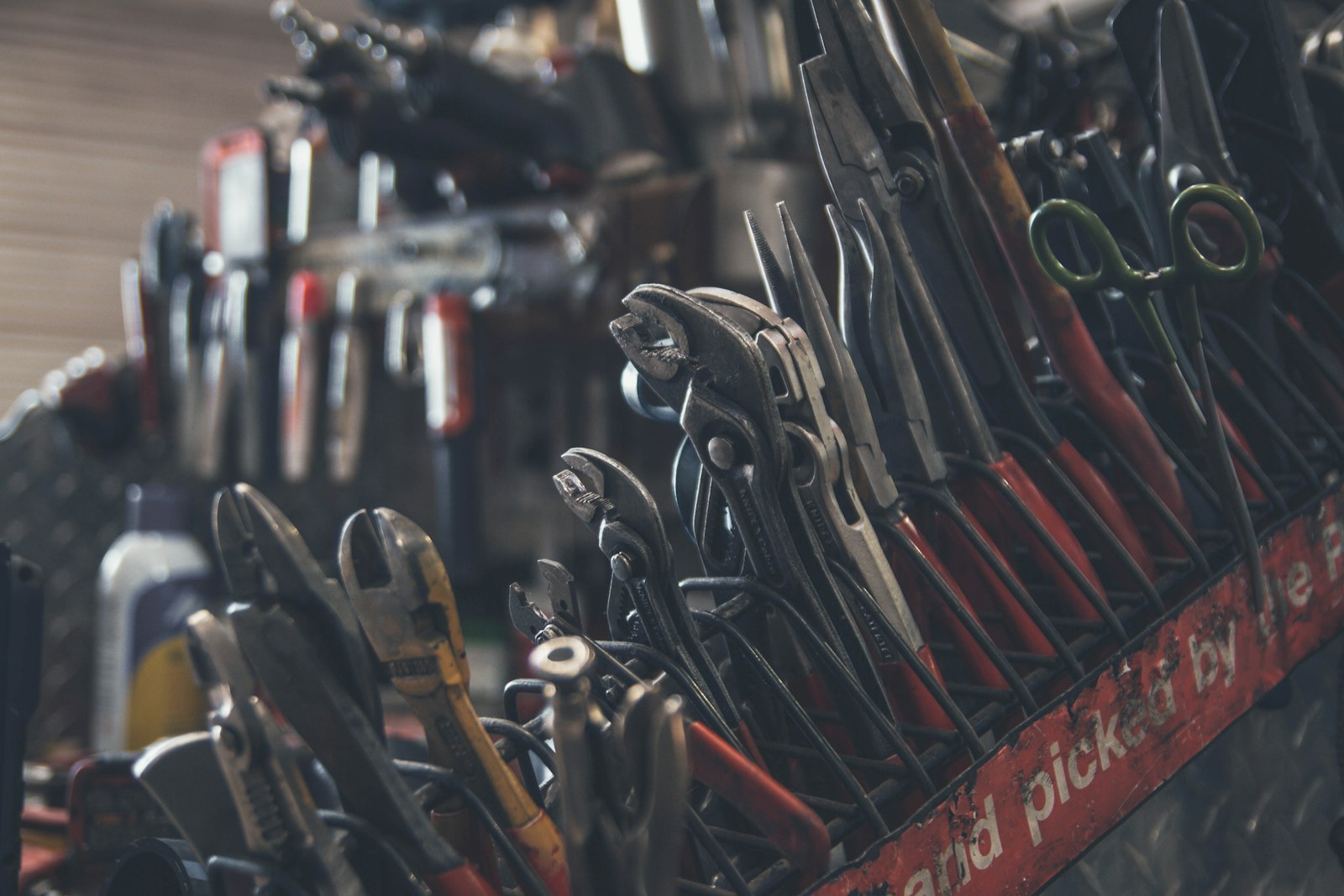
Repairing or Replacing a Stopcock
Some stopcock faults can be repaired. A leak from the spindle may be cured by adjusting or renewing the gland packing, and some older stop taps can have their washer replaced. Loose or weeping connections can sometimes be remade.
Replacement is often the better option when the valve is badly corroded, seized solid, damaged or leaking from its body. A plumber will usually look at the age and condition of the valve, the type of pipe it is fitted to and how much room there is to work. Older properties may have lead or iron pipework near the stopcock, which can affect the repair.
Because the stopcock controls the incoming mains, replacing it usually means the water has to be turned off at the outside stop valve first. If that valve is buried, stuck or owned by the water company and cannot be operated, the work may need to be arranged with the water supplier. Stopcock repairs form part of the plumbing repairs in Swindon we carry out for homes and rental properties.
If you also have leaks elsewhere on your pipes, our water leak repair page explains how leaks from joints and fittings are traced and fixed. Our article on whether a seized stopcock can be repaired or must be replaced explains why forcing one is risky.
Keeping Your Stopcock Ready to Use
It helps to know where your stopcock is and to make sure everyone in the household can find it. Keep the area around it clear so it can be reached quickly.
Many people turn their stopcock gently a few times a year to stop it seizing. If it feels very stiff, do not force it, as this can cause a leak or break the valve. If water is escaping quickly, turning off the stopcock may help, but only if you can reach it safely and know how it works.
A replacement may also be a good time to fit a quarter-turn valve, which can be easier to close, particularly for older people. Your plumber can advise whether it suits your pipework. If nearby pipework is damaged or corroded, our pipe repair and replacement service covers that work.
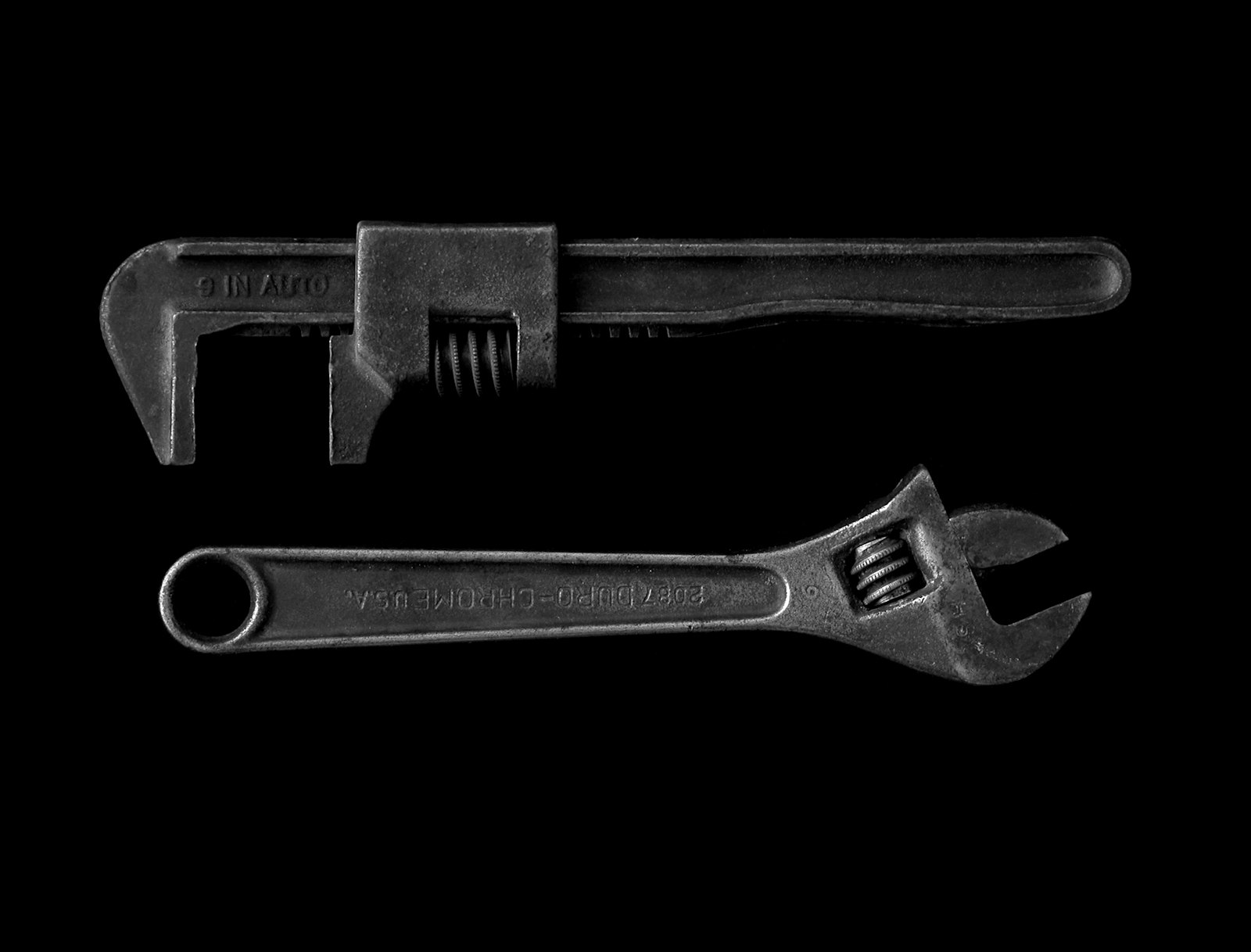
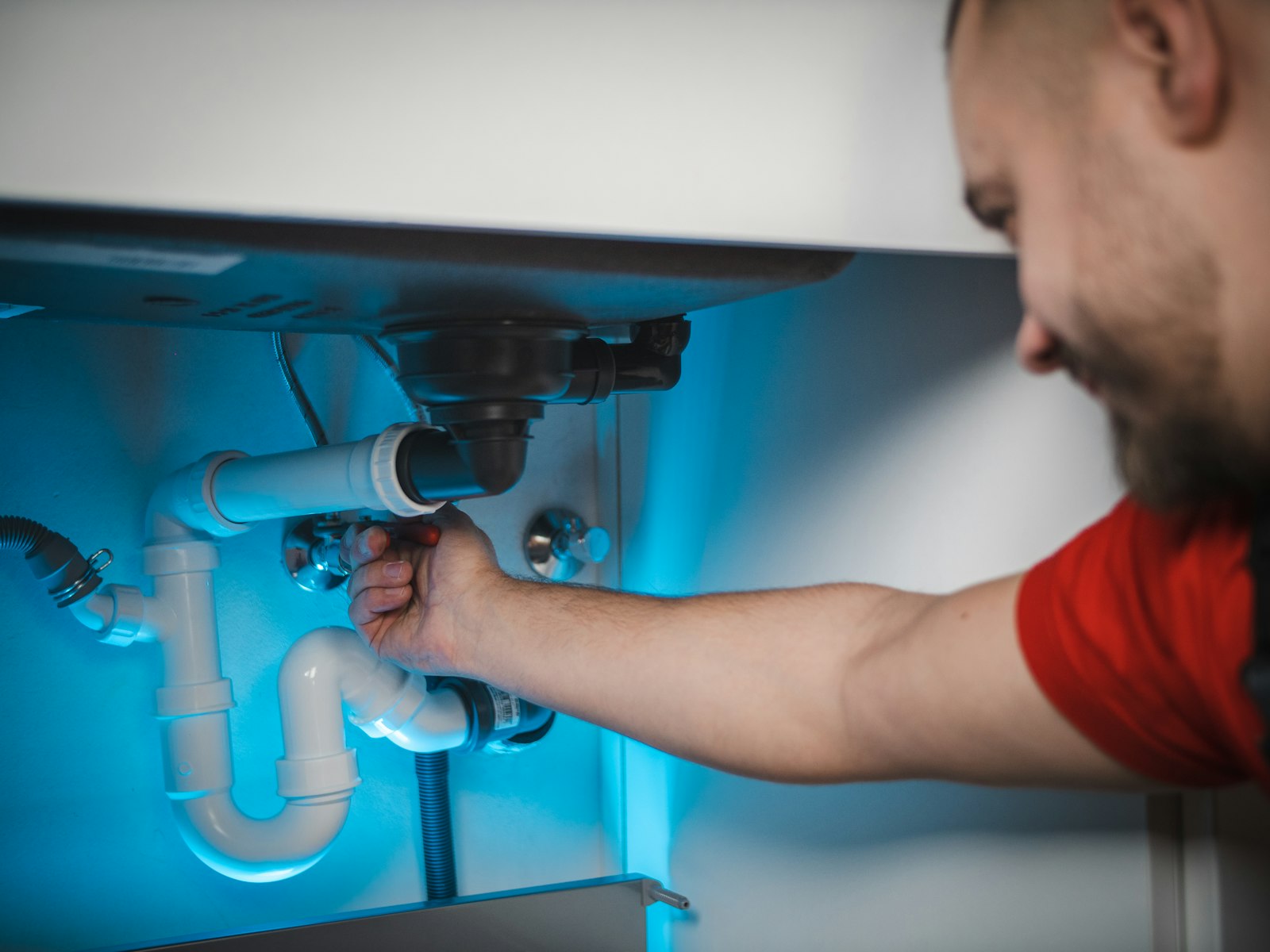
What Affects Stopcock Repair Costs?
The cost depends on whether the valve can be repaired or needs replacing, the pipe material and size, and how easy the stopcock is to reach. A stopcock in an open cupboard is quicker to work on than one under floorboards or behind units. Whether the outside stop valve can be operated to isolate the supply also affects the time needed.
Older pipework or making good after access can add to the job.
Featured Questions
Stopcock FAQs
Common questions about leaking, seized and faulty stopcocks.
Why is my stopcock leaking?
Leaks are often linked to worn gland packing around the spindle, a failed washer, corrosion or a loose connection on the pipework either side.
Can a seized stopcock be repaired?
Sometimes. A stiff valve can occasionally be freed, but one that is seized solid or corroded is usually safer to replace than force.
When should a stopcock be replaced?
Replacement is worth considering if the valve leaks from its body, will not turn, does not stop the water fully or is badly corroded.
Who is responsible for the outside stop tap?
The outside stop valve is usually owned by the water company. Problems with it should be reported to your water supplier.
Where is my stopcock usually found?
Common places include under the kitchen sink, in a utility room or cloakroom, under the stairs, in a garage or under the floor near the front door.
Does the water need to be off to replace a stopcock?
Yes. The supply usually has to be isolated at the outside stop valve before the internal stopcock can be removed.
Book a Stopcock Repair
If your stopcock is leaking, stuck or will not turn off the water properly at a property in Swindon, call us on 01793 569521 or send us a message through our contact page. Let us know where the stopcock is and what you have noticed.

Emergency Plumber Swindon helps homes and businesses in Swindon with burst pipes, leaks and urgent plumbing repairs. Call 01793 569521 to talk through your plumbing problem.
Company
Office Hour
- Monday – Sunday - (09.00 – 21.00)
Head Office
- Cheney Manor Industrial Estate, SN2 2PJ, BSS
- info@emergencyplumberswindon.co.uk
- 01793 569521