
Kitchen Plumbing in Swindon
A kitchen relies on its plumbing every day, from the water supply to the sink and taps to the waste pipes that carry water away from the sink and appliances. Our kitchen plumbing service helps homes and landlords in Swindon with kitchen plumbing repairs, appliance water connections and the plumbing needed when a kitchen is updated.
Request Plumbing Assistance
Tell us what is happening and where, and we will get back to you about the next step.
This page covers kitchen plumbing as a whole. Specific jobs, such as fitting a new sink or clearing a blocked one, have their own pages with more detail.
What Kitchen Plumbing Covers
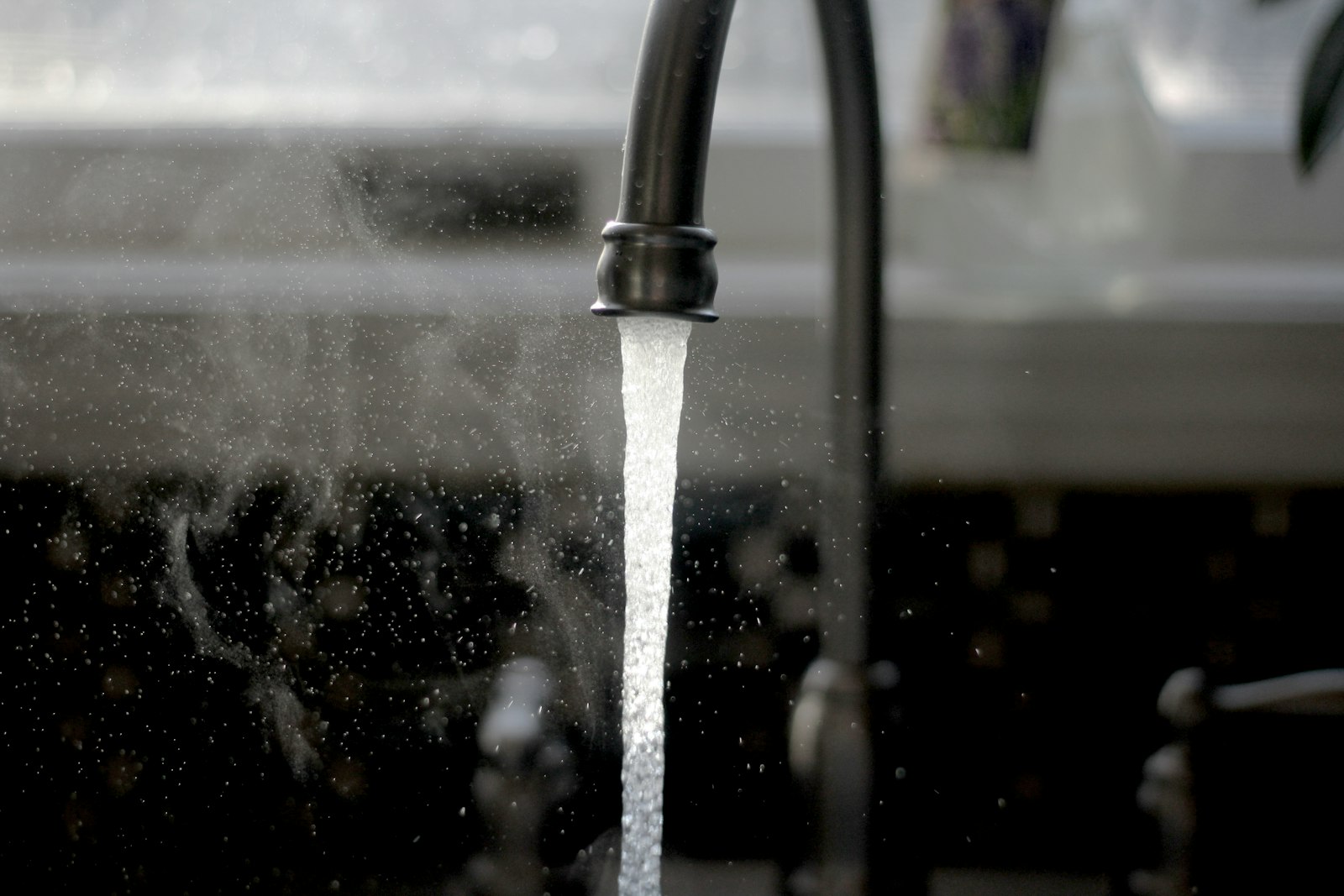
Kitchen plumbing includes the hot and cold supply pipes to the sink, the waste pipe and trap under the sink, and the water and waste connections for appliances such as dishwashers and washing machines. Many kitchens also have isolation valves under the sink and outside taps fed from the kitchen supply.
Typical work includes repairing leaks under the sink, replacing worn valves and connectors, connecting appliance supplies and wastes, extending or moving pipework, and setting up the plumbing for a new kitchen layout.
Common Kitchen Plumbing Problems
Leaks Under the Sink
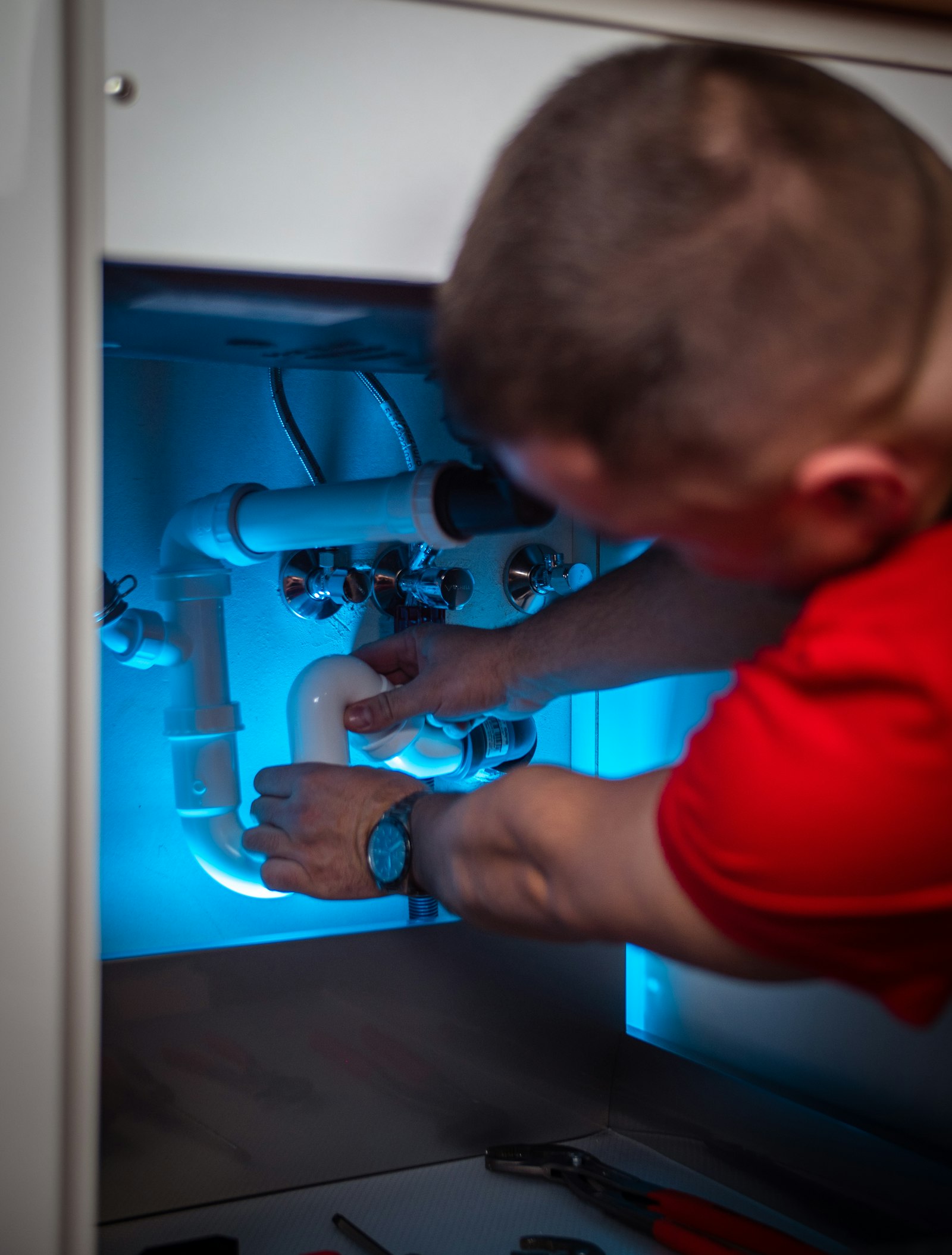
Water in the cupboard under the sink can come from tap connectors, isolation valves, the waste trap or the appliance hoses that share the space. Swollen cupboard bases are often the first sign.
Slow Drainage
Grease and food waste are the usual cause of slow kitchen drainage. If the sink keeps blocking, our blocked sink clearance service explains the causes and how blockages are cleared.
Appliance Connection Faults
Washing machines and dishwashers can leak at their hose connections, or drain back into the sink if the waste connection is not set up correctly. Our guide on why water leaks under a kitchen sink explains how to narrow down the source.
Appliance Water Connections
Dishwashers and washing machines need a cold water supply, usually through an appliance valve, and a waste connection to a standpipe or the sink trap. The waste needs to be set up so dirty water cannot siphon back into the appliance or the sink.
Fittings connected to the drinking water supply also need protection against contaminated water flowing back into the pipes. Water Regs UK explains that every plumbing system must include backflow protection, and names washing machines among the places where it may be needed. Many appliances include this protection, but the connection still needs to be made correctly.
Our appliance work covers the water supply and waste connections only. Electrical connections, new sockets and wiring must be carried out by a competent electrician, and gas cookers or hobs must only be connected by a Gas Safe registered engineer.
Plumbing for a New Kitchen
When a kitchen is being replaced, the plumbing is usually planned around the new layout. Moving the sink means checking how the supply and waste pipes can be routed, whether the waste can fall correctly to the drain and where appliances will sit.
Existing pipework can often be extended or adapted, but very old or poorly routed pipework may be worth replacing while units are out. Adding isolation valves for the sink and each appliance makes future repairs easier. If you are choosing a new sink, our sink installation and replacement page explains what to check before buying.
The plumbing usually happens in stages: first fix before the units and worktops go in, then second fix once the sink and appliances are in place. Kitchen plumbing is part of the plumbing repairs in Swindon and installation work we carry out for homes and landlords. Our guide on the plumbing work needed when fitting a new kitchen explains how the stages fit together.
What Affects Kitchen Plumbing Costs?
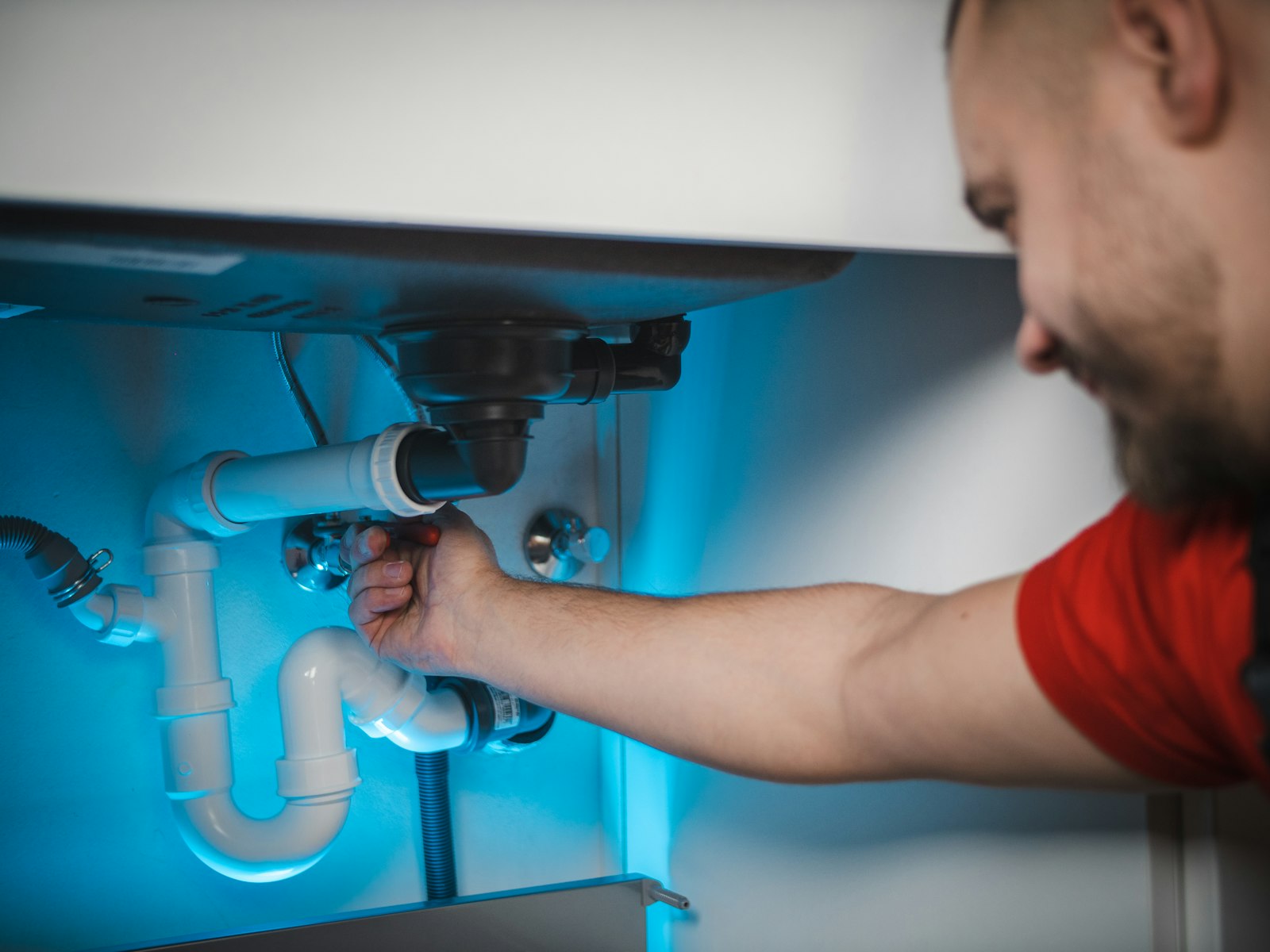
The cost depends on the work involved, how easy the pipework is to reach and how much the layout changes. Fixing a leaking connector under the sink is a small job compared with rerouting pipework for a new kitchen. Access behind fitted units, the condition of existing pipes and the number of appliance connections all affect the time needed.
For a new kitchen, it helps to share the kitchen plan and appliance list when asking for a quote, and to agree which stages of the plumbing are included. Coordinating the plumbing with the kitchen fitter, electrician and any other trades keeps the work in the right order and avoids units having to be removed again later. Our article on moving a kitchen sink to another wall explains why the waste route usually matters most.
Featured Questions
Kitchen Plumbing FAQs
Common questions about kitchen plumbing and appliance connections.
What plumbing is needed for a new kitchen?
Usually hot and cold supplies to the sink, a waste pipe and trap, and water and waste connections for any appliances, with isolation valves for each.
Can kitchen pipework be moved?
Often, yes. Moving a sink or appliance depends on how the supply and waste pipes can be routed and whether the waste can fall correctly.
What causes kitchen sink drainage problems?
Grease, food scraps and coffee grounds are the most common causes. A poorly laid waste pipe or a shared appliance waste can also slow drainage.
Can a plumber connect a dishwasher?
A plumber can connect the water supply and waste. The electrical supply should be checked or installed by a competent electrician if needed.
Why is there water under my kitchen sink?
It may come from tap connectors, valves, the waste trap or appliance hoses. Finding the exact source helps decide the repair.
Do I need isolation valves under the sink?
They are not always present, but they make it easier to turn off the water to a tap or appliance without shutting off the whole house.
Talk to Us About Kitchen Plumbing
If you need kitchen plumbing repairs or plumbing for a new kitchen in Swindon, call us on 01793 569521 or send us a message through our contact page. Let us know what you need and send photos of the area if possible.

Emergency Plumber Swindon helps homes and businesses in Swindon with burst pipes, leaks and urgent plumbing repairs. Call 01793 569521 to talk through your plumbing problem.
Company
Office Hour
- Monday – Sunday - (09.00 – 21.00)
Head Office
- Cheney Manor Industrial Estate, SN2 2PJ, BSS
- info@emergencyplumberswindon.co.uk
- 01793 569521