
Tap Installation and Replacement in Swindon
Whether you are updating a kitchen, replacing a worn bathroom tap or switching to a mixer tap, a properly fitted tap should work smoothly, seal correctly and suit the water supply in your property. Our tap installation and replacement service helps homeowners, landlords and businesses in Swindon fit new kitchen, basin and bath taps.
Request Plumbing Assistance
Tell us what is happening and where, and we will get back to you about the next step.
New taps are a simple way to refresh a room, but the fitting matters. A tap that does not match the sink, the pipework or the water pressure can cause leaks, poor flow or problems later on.
When a New Tap Makes Sense
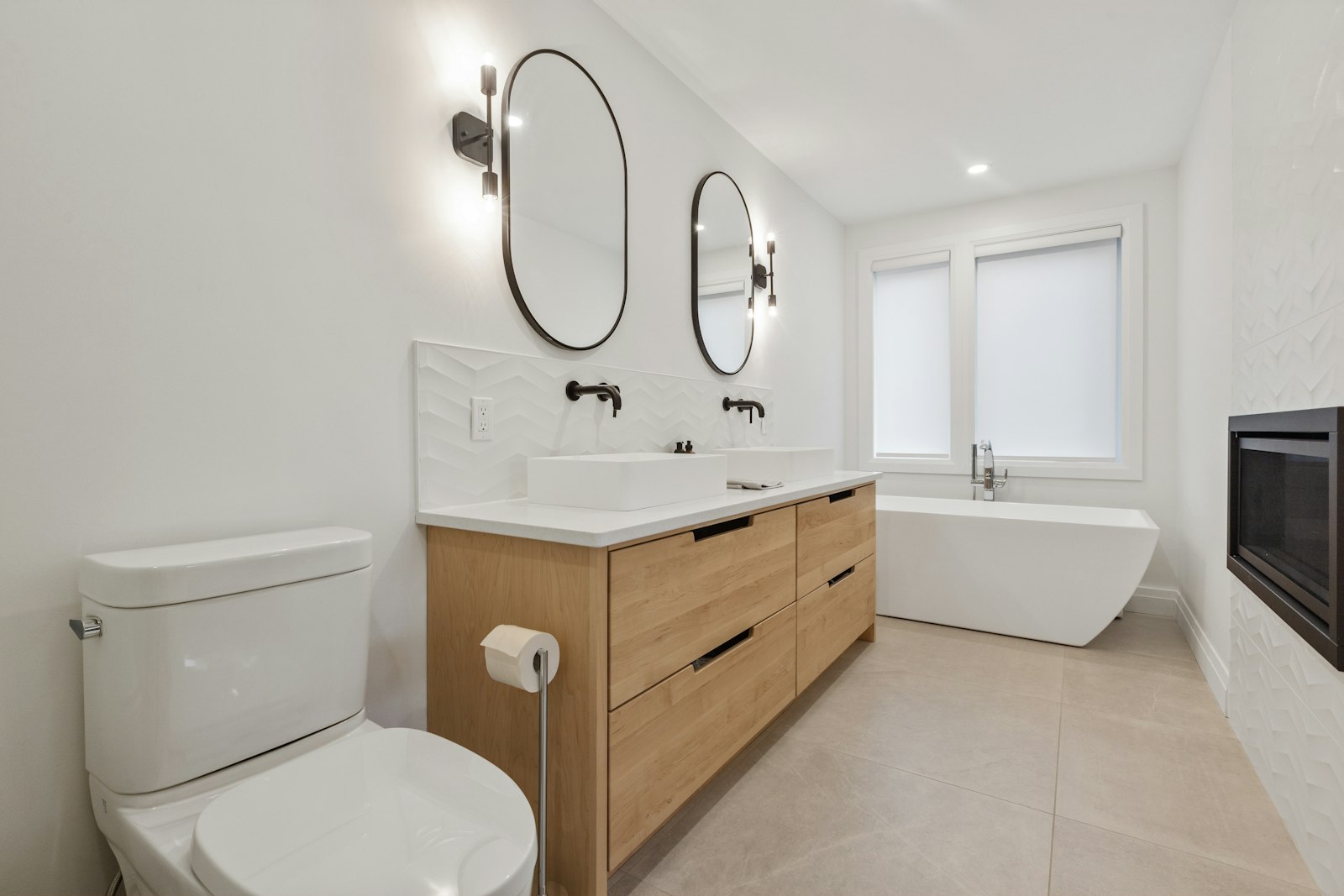
Many people replace taps as part of a kitchen or bathroom update. Others choose a new tap because the old one is cracked, corroded, hard to turn or has been repaired several times without lasting success.
A new tap can also improve how a room works. A mixer tap gives better control over temperature, a pull-out kitchen tap makes filling pans easier, and a lever-handle tap can be easier to use for people with limited grip.
If your existing tap is in good condition and only dripping, a repair may be the better option. Replacement is usually worth it when the tap itself is worn out or no longer suits your needs.
Types of Taps We Can Fit
Kitchen Mixer Taps
Kitchen mixer taps combine hot and cold water through a single spout. They come in many styles, including single-lever, twin-lever, swan-neck and pull-out designs.
Bathroom Basin Taps
Basin taps include traditional pillar taps, monobloc mixers and wall-mounted taps. The right choice depends on the number of tap holes in the basin and how it is plumbed.
Bath Taps and Bath Shower Mixers
Bath taps can be fitted as separate pillar taps, a bath filler or a bath shower mixer. Access behind or underneath the bath often affects how straightforward the job is. If you are still deciding, our article on choosing the right mixer tap covers pressure, spout height and style.

Checking Compatibility Before Fitting
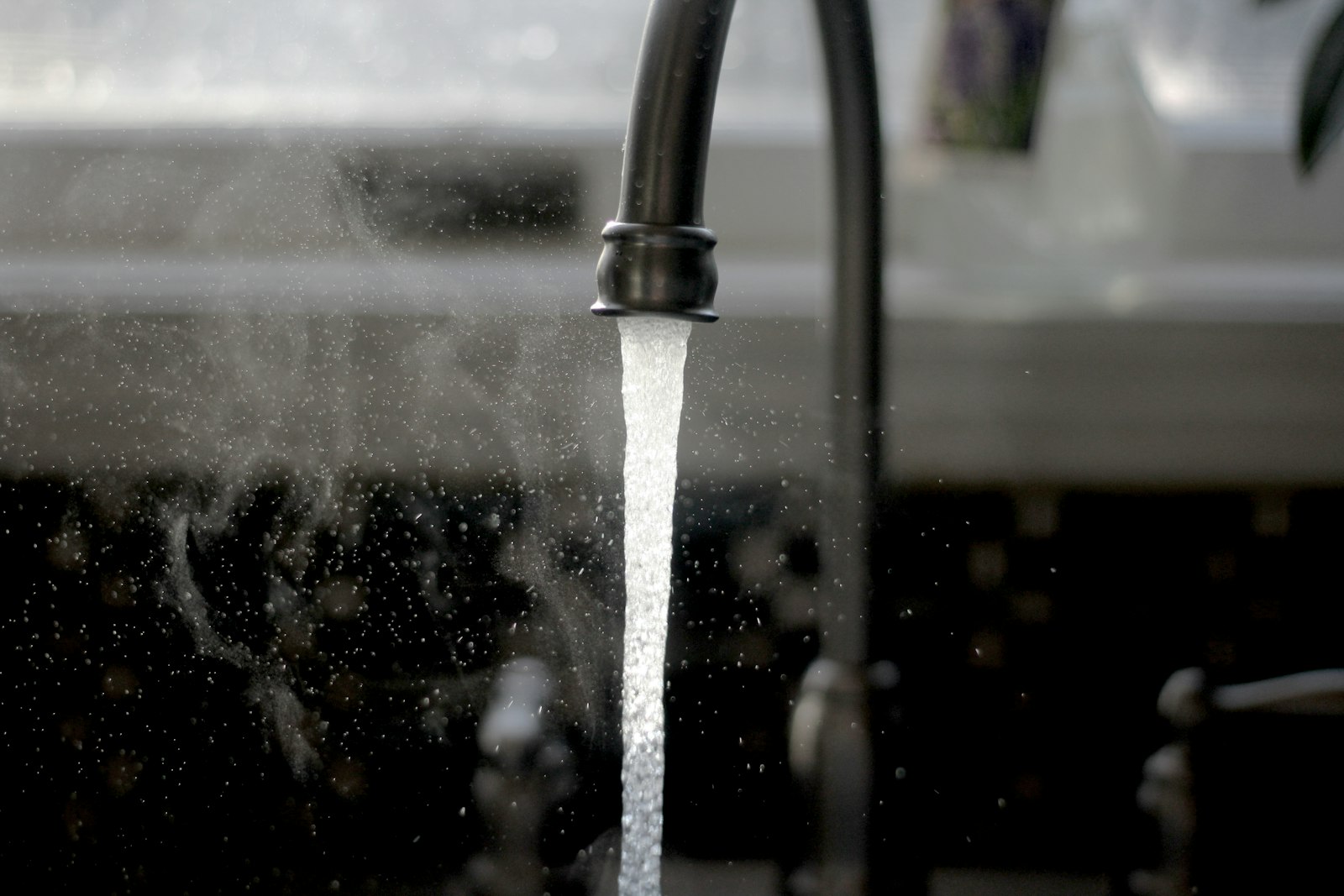
Before a new tap is chosen, it is worth checking a few details. The number of tap holes in the sink, basin or worktop decides whether a monobloc tap or separate taps will fit. Some basins have one hole, some have two, and changing between them may mean changing the basin as well.
Water pressure matters too. Some taps are designed for high-pressure systems and may give a weak flow on low-pressure or gravity-fed supplies. The tap’s packaging or specification usually states the pressure range it works with.
The existing pipework is checked as well. Many taps connect using flexible tap connectors, which need to match the supply pipes and be in good condition. Isolation valves under the sink make future maintenance easier and are often added or replaced at the same time.
Taps and fittings connected to the drinking water supply should be suitable for that use. WaterSafe explains the water fittings rules that protect drinking water and why using an approved plumber helps. Our guide on replacing a kitchen tap without changing the sink explains how to check the tap holes and fixings.
What Tap Replacement Involves
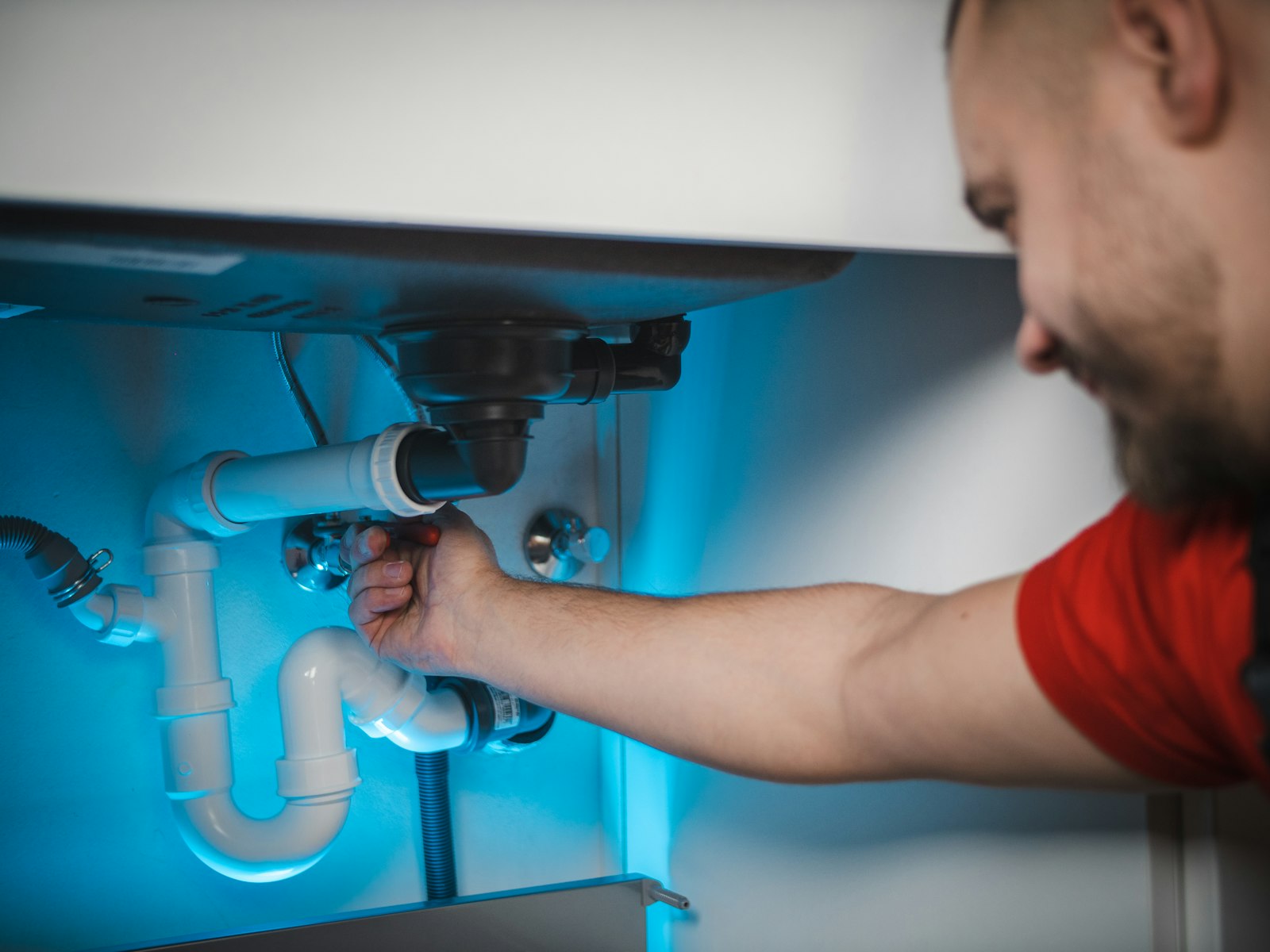
A plumber will usually turn off the water to the tap, disconnect and remove the old tap, and clean the surface where the new one will sit. The new tap is fitted and secured, connected to the hot and cold supplies, and checked for leaks and steady flow once the water is turned back on.
Older taps can be difficult to remove, especially if fixings have corroded or limescale has built up. Tight spaces under sinks, behind baths or inside vanity units can also make the job take longer.
If a connection under the sink is leaking, our water leak repair service can deal with it at the same time. Tap fitting is part of the local plumbing services we offer across the Swindon area.
What Affects the Cost of Fitting a Tap?
The cost of tap installation depends on the type of tap, whether you supply it, how easy the pipework is to reach and what condition the existing connections are in. Removing a seized old tap, replacing connectors or isolation valves, or adapting pipework to suit a different style of tap can all add time.
It helps to share photos of the existing tap, the sink or basin and the space underneath when you ask for a quote. Our guide to how long it takes a plumber to replace a tap explains what can make the job quicker or slower.
Featured Questions
Tap Installation FAQs
Common questions about fitting and replacing taps.
Can a new tap fit my existing basin or sink?
Often, yes, if the new tap matches the number and size of the existing tap holes. Changing from two taps to a single mixer may need a different basin or sink.
How long does tap replacement take?
It depends on the tap, access and the condition of the old fittings. A simple swap is quicker than a bath tap with limited access or a tap with corroded fixings.
Can a mixer tap replace separate taps?
Sometimes. A deck-mounted mixer can replace two pillar taps if the tap holes line up. A monobloc mixer usually needs a single tap hole.
Will a new tap work with low water pressure?
Not every tap is suitable for low pressure. Check the tap’s specification for its minimum working pressure before buying.
Should I buy the tap myself?
You can, but it helps to check compatibility first, including the tap holes, pressure range and connections. A plumber can advise before you buy.
Do isolation valves need replacing too?
Not always. If they are stiff, leaking or missing, replacing or adding them while the tap is being fitted can make future repairs easier.
Arrange Your Tap Installation
If you would like a new tap fitted at a property in Swindon, call us on 01793 569521 or send us a message through our contact page. Let us know which tap you are replacing and send photos if you can.

Emergency Plumber Swindon helps homes and businesses in Swindon with burst pipes, leaks and urgent plumbing repairs. Call 01793 569521 to talk through your plumbing problem.
Company
Office Hour
- Monday – Sunday - (09.00 – 21.00)
Head Office
- Cheney Manor Industrial Estate, SN2 2PJ, BSS
- info@emergencyplumberswindon.co.uk
- 01793 569521